
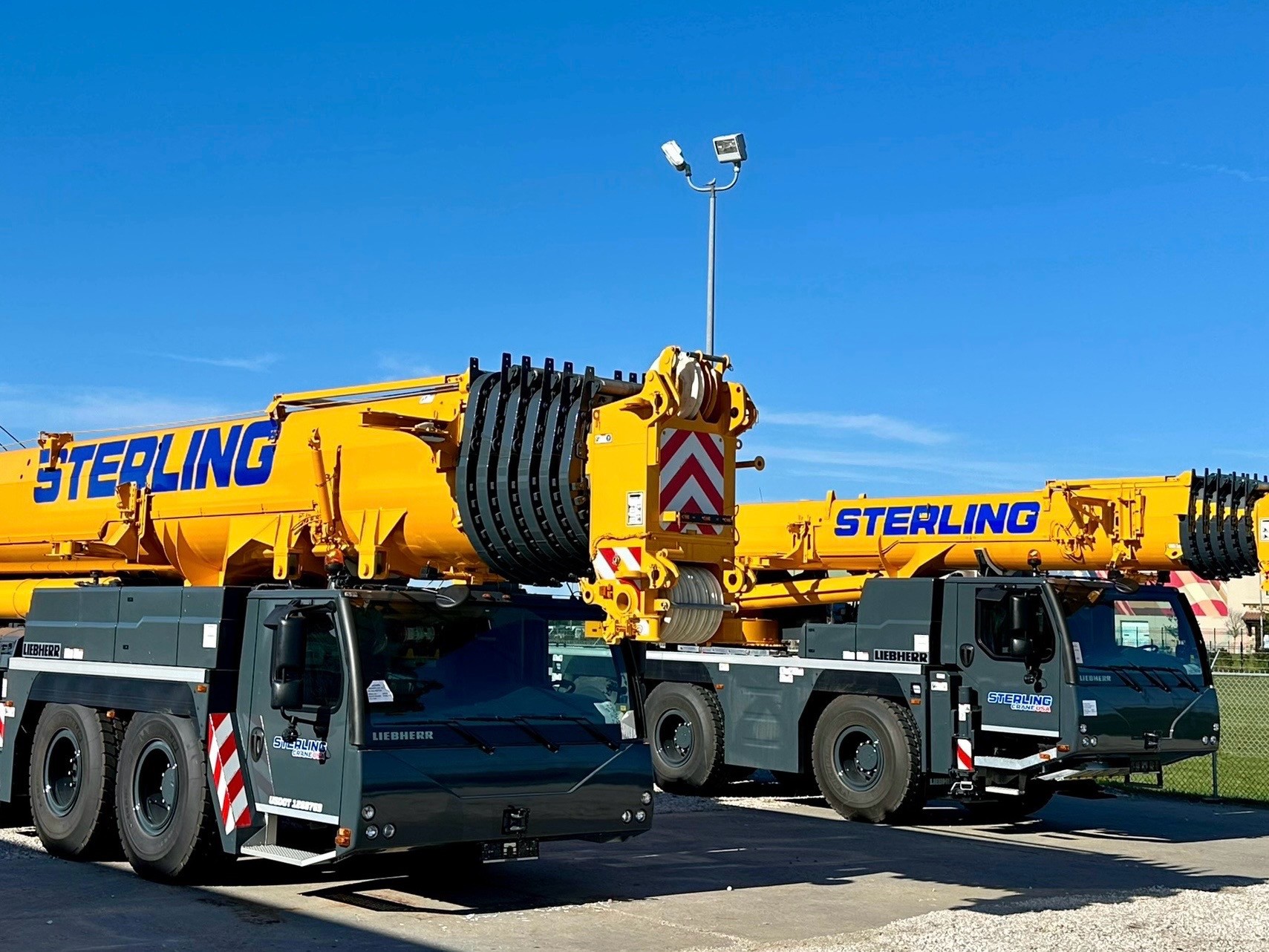

From winter cold snaps to spring mud season, successful crane operations in Billings rely on careful planning, experienced operators, and equipment suited for Montana’s environment.
Winter Crane Operations in Billings
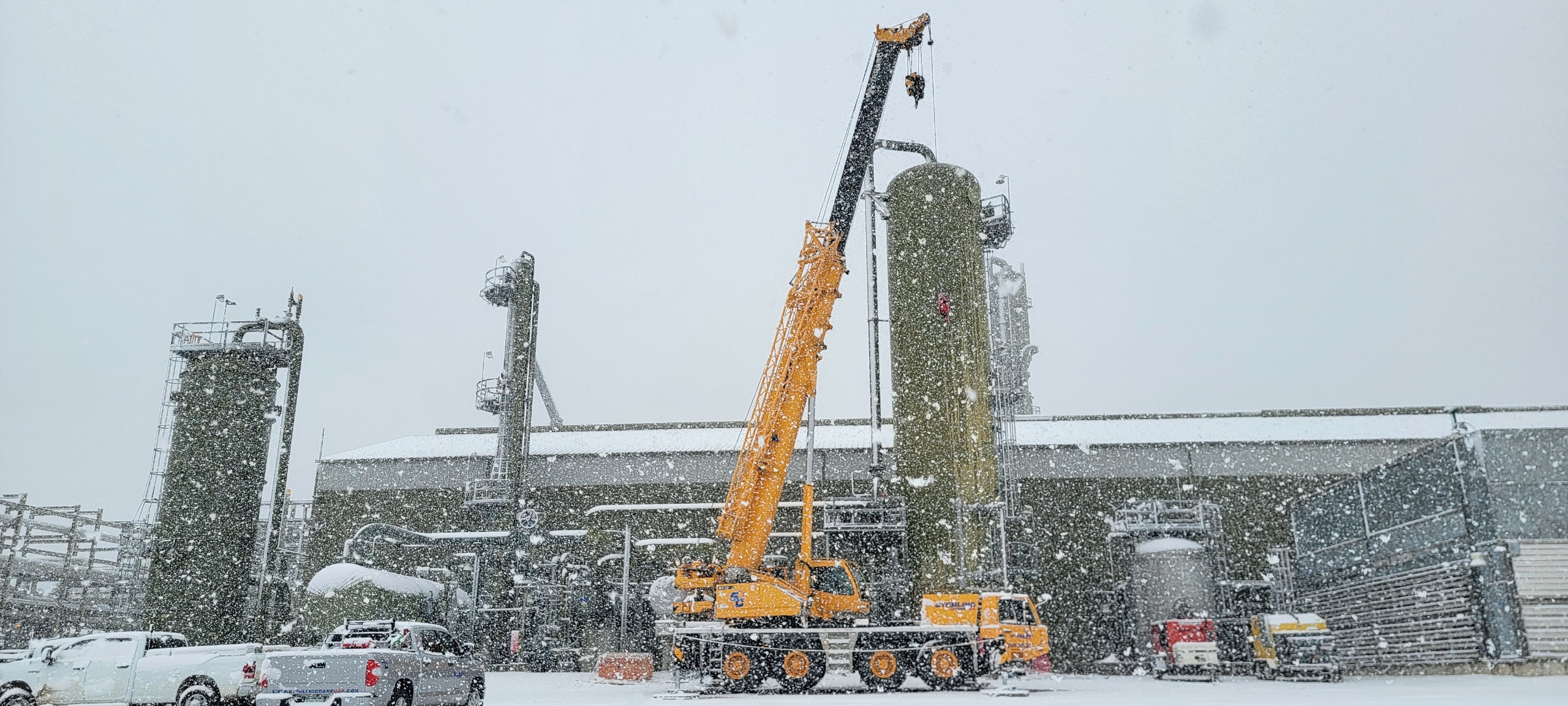
Winter presents some of the most demanding conditions for crane work in eastern Montana. Freezing temperatures can affect hydraulic systems, steel components, and ground stability. Snow and ice accumulation also increase slip hazards and limit site accessibility.
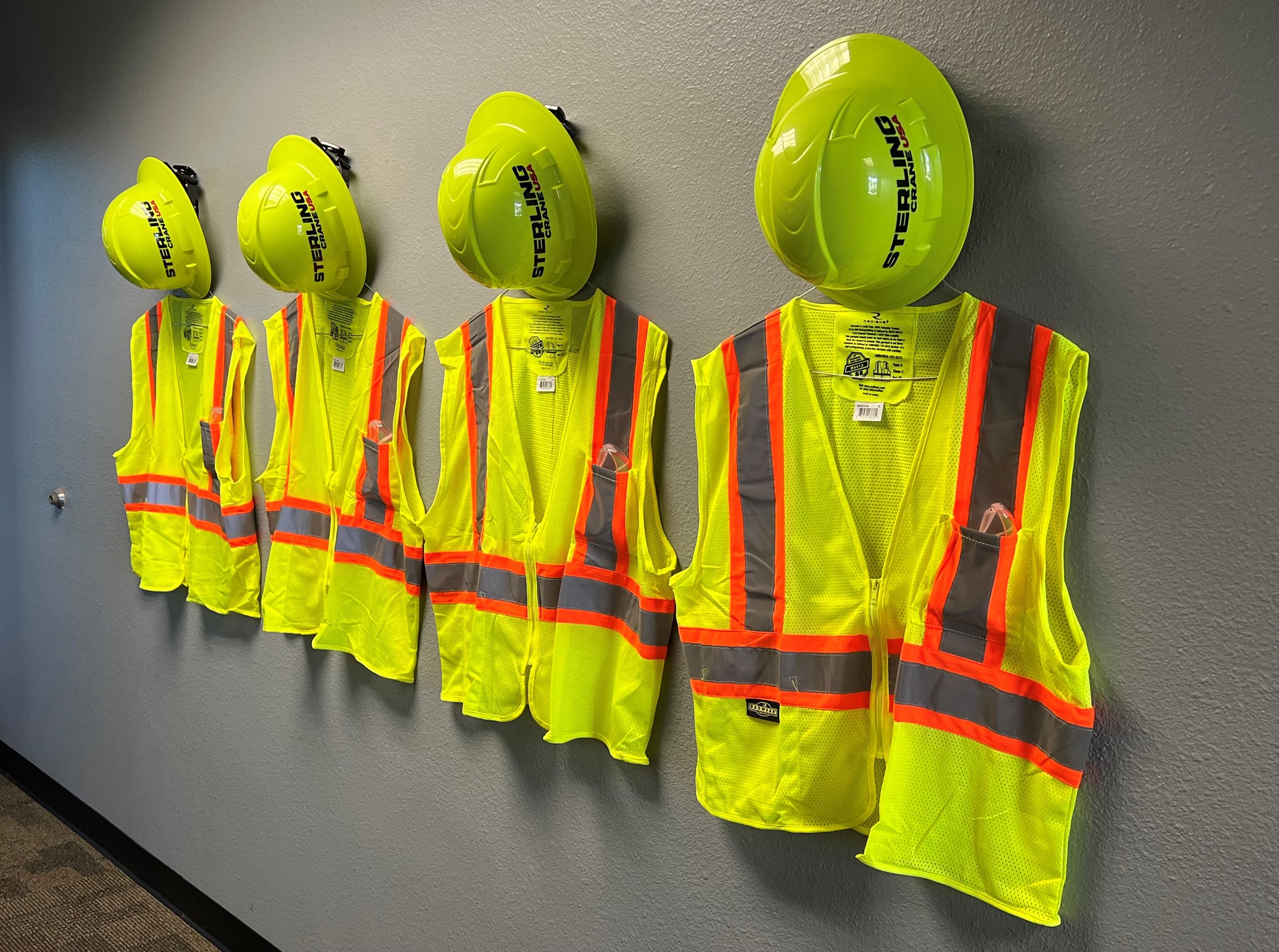
Cold-weather crane operations require:
- Equipment inspections tailored for low temperatures
- Proper lubrication and warm-up procedures
- Snow and ice management around crane pads and access routes
- Adjusted lift planning due to reduced daylight hours
Experienced crane teams factor these challenges into project timelines to ensure lifts remain safe and productive throughout the winter months.
Spring and Mud Season Challenges
As temperatures rise, Billings job sites often encounter freeze-thaw cycles that create unstable ground conditions. Mud season can significantly impact crane access, setup, and load-bearing capacity.
Proper planning during spring includes:
- Ground assessments to determine soil stability
- Use of crane mats or engineered pads
- Site access coordination to avoid delays or equipment damage
Addressing these factors early helps prevent costly interruptions and protects both equipment and personnel.
Wind Considerations in Eastern Montana
Wind is a year-round concern for crane operations in the Billings area. Sudden gusts and sustained winds can limit lifting activities, particularly during critical picks.
Professional crane operators continuously monitor wind speeds and follow strict lift thresholds based on crane type, load configuration, and boom length. Weather monitoring and clear communication between operators and site teams are key to maintaining safety during windy conditions.
Summer Heat and Extended Operations
While summer brings more predictable conditions, heat can still affect crane performance and crew endurance. Longer daylight hours allow for extended work schedules, but heat management and routine inspections remain essential.
The Importance of Local Crane Experience
Montana’s climate demands more than standard crane operations—it requires local knowledge. Crane providers familiar with Billings’ seasonal challenges are better equipped to plan lifts, recommend appropriate equipment, and adjust operations as conditions change.

By understanding how weather impacts crane work throughout the year, contractors can better prepare their projects and minimize weather-related risks in Billings and surrounding communities.